Roof Inspections: What to Know Before Anyone Gets on Your Roof
What a roof inspection actually involves, what it costs, what the report means, and how to prepare — so you're not at the mercy of whoever's up there.
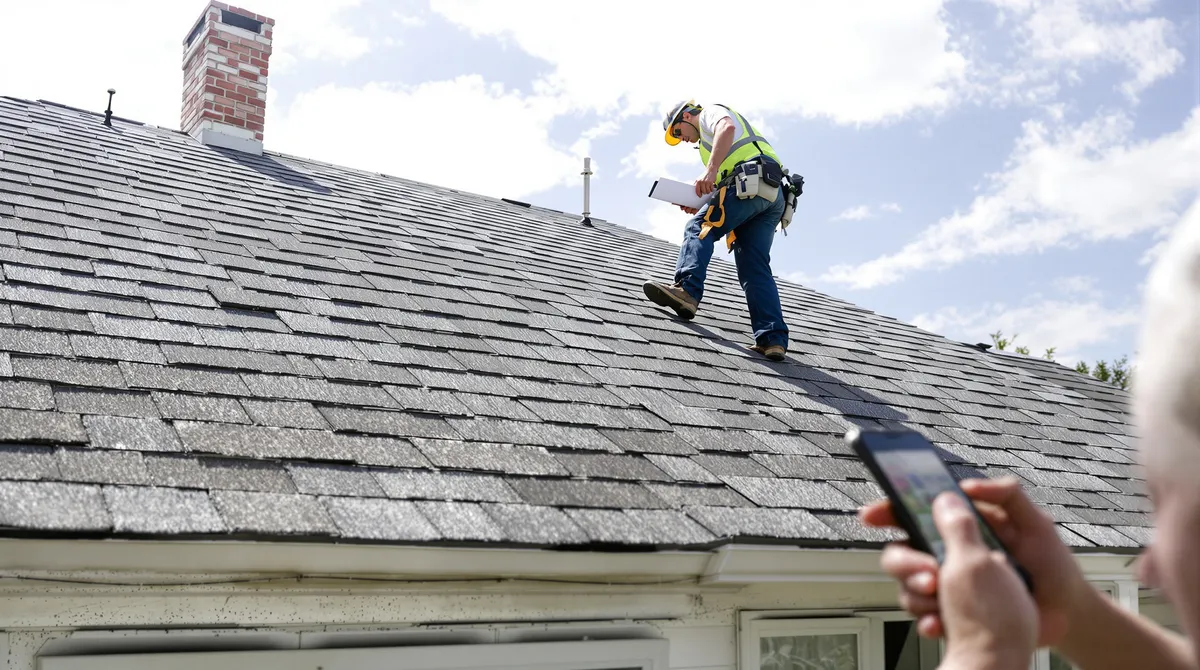
A roof inspection is someone walking your roof, checking your attic, and documenting what they find. That is the core of it. The question is whether the person doing it is thorough, honest, and qualified — because the same physical roof can produce a "looks good" from one inspector and a $15,000 replacement recommendation from another. Understanding what an inspection should cover puts you in a position to evaluate both the inspector and the results.
What you'll learn
- What a complete roof inspection actually includes — exterior, interior, and documentation
- The difference between free and paid inspections and when each makes sense
- How to prepare your home so the inspector can do thorough work
- How to read and evaluate the inspection report you receive
- Gulf Coast-specific factors that affect inspection timing and urgency
What a Roof Inspection Actually Covers
A complete roof inspection has three phases: exterior surface assessment, interior/attic assessment, and documentation. If any of these phases is missing, you did not get a complete inspection. Many free inspections skip the attic entirely, which means the inspector never saw the most revealing part of your roofing system.
Phase 1: Exterior Surface Assessment
The inspector examines every component of the roof surface that is visible from on top of the roof or, in some cases, using a drone. This includes the shingles or roofing material, flashing around every penetration (vents, chimneys, skylights, walls), ridge caps, drip edges, valleys, and the gutter system. On the Gulf Coast, inspectors should also check for wind damage patterns — lifted shingle edges, broken seal strips, and displaced ridge caps that indicate prior storm exposure.
Material condition gets specific attention. The inspector assesses granule loss on asphalt shingles, checks for curling, cracking, or buckling, notes any missing or damaged pieces, and evaluates the overall age-related wear. On Gulf Coast roofs, algae staining is almost universal and is noted but typically not flagged as a deficiency. Moss growth and biological accumulation in shaded areas are different — they hold moisture and accelerate deterioration.
Flashing gets its own scrutiny because it fails first. Every joint, every transition, every penetration is sealed with flashing, and salt air corrosion makes flashing failure one of the most common leak sources on coastal Gulf Coast properties. A thorough inspector checks every piece — not just the obvious ones around the chimney.
Phase 2: Interior and Attic Assessment
This is the phase that separates a real inspection from a sales pitch. The attic tells you what is actually happening under the roof surface. An inspector entering the attic checks for water stains on the underside of the decking, daylight visible through the roof (which means open penetrations), moisture levels in the insulation, mold or mildew growth, and the condition of ventilation components.
Ventilation assessment is critical on the Gulf Coast. Inadequate attic ventilation in our climate does not just reduce roof lifespan — it dramatically reduces it. Attic temperatures above 150 degrees cook shingles from the underside. An inspector should note the type and quantity of intake and exhaust vents and whether the airflow path is clear. Blocked soffit vents are extremely common and easily missed.
The interior of the home matters too. Ceiling stains, peeling paint near the roofline, and moisture around windows on upper floors can all indicate roof issues that are not yet visible on the exterior. A thorough inspector at least asks about these symptoms.
Phase 3: Documentation and Reporting
An inspection without a written report is just a conversation. The report should include dated photographs of every finding, measurements where relevant, an overall condition assessment, specific deficiencies with their locations, and recommended actions with urgency levels. You should receive this report within 1–3 business days. If the inspector only gives you a verbal summary, you have nothing to reference later, nothing to share with insurance, and nothing to compare against future inspections.
Types of Roof Inspections
Not all inspections serve the same purpose. The reason you need an inspection determines the scope, the depth, and sometimes the specific qualifications of the person doing it. Here are the types you will encounter on the Gulf Coast.
General Maintenance Inspection
This is the routine checkup. A qualified roofer or inspector walks the roof, checks the attic, and gives you a snapshot of current condition. It catches small problems before they become expensive ones. On the Gulf Coast, scheduling this before hurricane season (April or May) gives you time to address findings before the risk window opens.
Pre-Purchase Inspection
You are buying a home and want to know exactly what condition the roof is in before you close. This inspection needs to be thorough and independent — hire your own inspector, not one recommended by the seller's agent. The report becomes a negotiation tool. A roof with 5 years of remaining life versus 15 years changes the purchase math significantly.
Insurance Inspection
Your insurance carrier has required a roof inspection as a condition of issuing or renewing your policy. This is increasingly common on the Gulf Coast, particularly in Florida, where carriers are dropping coverage on homes with older roofs. The insurer may specify who can perform the inspection or what format the report must follow. Ask your agent for exact requirements before scheduling.
Post-Storm Inspection
A hurricane, tropical storm, or severe thunderstorm has passed through and you need to know if your roof was damaged. This inspection has a dual purpose: assessing the actual condition and creating documentation for a potential insurance claim. Time matters here — most Gulf Coast policies have strict filing deadlines after a storm event. Get the inspection within days, not weeks.
Wind Mitigation Inspection
Specific to Florida and increasingly relevant in Alabama and Mississippi. A wind mitigation inspection documents how your roof is attached to your home's structure and what wind-resistant features are present. The completed OIR-B1-1802 form goes to your insurer and can reduce premiums substantially — sometimes 20–40% in Florida. This is a specialized inspection with a specific form, not a general roof assessment.
Drone Inspection
A drone captures high-resolution images and video of the roof surface without anyone walking on it. This is useful for steep roofs, fragile materials like tile, or when physical access is limited. Drone inspections produce excellent exterior documentation but cannot replace an attic inspection. Think of a drone as a complement to a physical inspection, not a substitute for one.
What Inspectors Look For: The Full Checklist
Knowing what should be inspected helps you evaluate whether the inspection you received was thorough. If your inspector skipped any of these categories, you have gaps in your assessment.
- Roofing material condition: shingle integrity, granule retention, cracking, curling, blistering, and age-related wear across all roof faces
- Flashing integrity: every roof-to-wall transition, chimney, vent pipe, skylight, and valley — checking for corrosion, separation, and sealant failure
- Ridge and hip caps: condition of cap shingles or ridge vent, nail exposure, and seal integrity
- Drip edge: presence, condition, and proper installation along all eaves and rakes
- Gutters and drainage: attachment, slope, debris accumulation, downspout condition, and water flow path away from the foundation
- Ventilation: intake and exhaust vent quantity, type, condition, and whether airflow is unobstructed
- Penetrations: condition of every boot, jack, and collar around pipes and vents
- Decking condition: any soft spots, sagging, or visible deterioration from the attic side
- Attic moisture: water stains, wet insulation, mold, mildew, and condensation evidence
- Structural integrity: rafter and truss condition, any signs of stress, cracking, or prior repair
Your inspector spent 20 minutes on the roof, did not enter the attic, and gave you a verbal summary that everything 'looks fine.' Did you get a complete inspection?
Reveal answer
No. A 20-minute exterior-only assessment with no written report is not a complete inspection. The attic phase reveals problems invisible from the surface — moisture intrusion, ventilation deficiencies, decking condition, and insulation issues. And a verbal summary gives you nothing to reference later. A complete inspection requires all three phases: exterior, interior/attic, and written documentation.
How Much Does a Roof Inspection Cost?
Professional roof inspections on the Gulf Coast range from $150 to $400 for a standard residential home. The price varies based on roof size, accessibility (steep or multi-story roofs cost more), and what's included. Adding infrared moisture scanning typically adds $100–$200. Wind mitigation inspections in Florida run $75–$150 and are worth every dollar in insurance savings.
Free inspections exist, but understand the trade-off. A roofing contractor who offers a free inspection is investing their time because they expect to sell you a repair or replacement. That does not automatically make their findings wrong — but it does mean they have a financial incentive to find work. A paid independent inspector has no incentive beyond giving you accurate information.
| Factor | Free Inspection | Paid Inspection |
|---|---|---|
| Cost | $0 | $150–$400 |
| Who does it | Roofing contractor | Independent inspector or contractor |
| Primary goal | Find work to sell you | Provide an objective assessment |
| Report detail | Verbal or basic summary | Written report with photos |
| Bias risk | High — inspector profits from repairs | Lower — paid for the inspection itself |
| Time on roof | 15–30 minutes typical | 45 minutes to 2 hours |
| Attic inspection | Often skipped | Standard inclusion |
| Best for | Second opinion, minor concerns | Pre-purchase, insurance, major decisions |
When a free inspection makes sense: you already have a relationship with a contractor you trust, you are comparing a free assessment against a paid one you already have, or the issue is minor and you just want a quick second opinion. When a paid inspection makes sense: pre-purchase decisions, insurance requirements, major repair/replace decisions, or anytime you need an unbiased assessment that will inform a significant financial decision.
How to Prepare for a Roof Inspection
A few simple preparations let the inspector work more efficiently and produce a better report. None of this is complicated, but skipping it can result in an incomplete inspection.
- Clear attic access. If your attic entry is in a closet, move stored items away from it. The inspector needs to physically enter the attic, not just poke their head through a hatch. Blocked access is the number one reason attic inspections get skipped.
- Clear the perimeter. Move vehicles, patio furniture, and anything else away from the house edges. The inspector needs to set up a ladder and walk around the entire perimeter.
- Note your concerns. Write down any symptoms you have noticed — ceiling stains, missing shingles, gutter issues, noises during storms. Giving the inspector a starting point helps them focus attention where it matters most.
- Secure pets. Dogs in the yard and the inspector on a ladder is a combination nobody needs. Keep pets indoors or in a fenced area away from the work zone.
- Have your records ready. If you know when the roof was installed, what material was used, whether it has been repaired, or when it was last inspected, share that information. It helps the inspector calibrate their assessment against the roof's actual history.
How to Read a Roof Inspection Report
Inspection reports can be confusing if you do not know what you are looking at. Here is how to extract the information that actually matters for your decisions.
Overall Condition Rating
Most reports include a general condition rating — something like "Good," "Fair," or "Poor," or a numerical score. This is the headline, but it is not the whole story. A "Fair" rating might mean the roof has 10 years of life left with minor maintenance, or it might mean the roof has 3 years left and is accumulating problems. Read the details behind the rating.
Deficiency List
This is the most actionable section. Each deficiency should describe what was found, where it is located (with photos), how severe it is, and what action is recommended. Sort the deficiencies by urgency: what needs attention now, what can wait a year, and what is cosmetic or informational. A report that lists problems without urgency levels is less useful than one that prioritizes them.
Estimated Remaining Life
Some reports estimate how many years of service life remain. Take this number as a range, not a guarantee. A roof with "5–8 years remaining" on the Gulf Coast could easily be on the shorter end of that range if a major hurricane hits. It is a planning number, not a countdown. Use it to inform your timeline for budgeting a replacement, but do not assume it is exact.
Recommendations
Look for specificity in the recommendations. "Roof needs attention" tells you nothing. "Replace deteriorated flashing around the east chimney and reseal the north-facing vent boot" tells you exactly what needs to happen and lets you get targeted quotes. If the recommendations are vague, call the inspector and ask for specifics. You paid for actionable information.
An inspection report says your roof is in 'Fair' condition with 'approximately 7 years of remaining life.' There are three deficiencies listed, all rated as 'non-urgent.' What should you do with this information?
Reveal answer
Schedule the non-urgent repairs within the next 6–12 months to prevent them from becoming urgent. Budget for a roof replacement in the 5–7 year timeframe, adjusted for Gulf Coast conditions which may shorten that estimate. Get re-inspected in 2 years to see how the roof is aging. The 'Fair' rating means the roof is functional but declining, so monitoring and planned maintenance are the right approach.
Gulf Coast Inspection Considerations
Living on the Gulf Coast adds specific dimensions to the roof inspection process that do not apply in most of the country. Your inspector should be fluent in these regional factors, and you should be aware of them when evaluating results.
Wind Damage Patterns
Gulf Coast inspectors should know what wind damage looks like — not just the obvious missing shingles, but the subtle signs. Lifted shingle edges that are no longer sealed, ridge cap displacement, and stress cracking along the leading edge of roof faces are all wind damage indicators. A roof that "survived" a hurricane may still have widespread compromised shingles that will fail during the next storm.
Hurricane Season Timing
Schedule routine inspections in March through May. This gives you time to address findings before hurricane season opens on June 1. Scheduling an inspection in August and finding a problem means you are competing with every other homeowner for contractor availability during the busiest time of year. Get ahead of the season, not behind it.
Salt Air Corrosion
If your property is within 15 miles of the coast, metal component corrosion should be a focal point of every inspection. Flashing, fasteners, drip edges, and vent hardware all corrode faster in salt air. Inspectors should specifically note the condition of every metal component and flag any that are approaching failure.
Humidity and Biological Growth
Gulf Coast humidity creates conditions for algae, moss, and mold that simply do not exist in drier climates. Your inspection report will almost certainly note algae staining — that is normal and expected in this region. What matters more is whether biological growth is actively accelerating material deterioration, particularly in shaded areas where moisture lingers.
Code Compliance
Florida, Alabama, and Mississippi each have building codes that affect roofing. In Florida, the Florida Building Code sets specific wind resistance requirements. If your roof was installed under older codes, it may not meet current standards — which matters for insurance, for resale, and for actual storm performance. An inspector should note whether the installation appears to meet current code requirements.
What You Can Check Yourself
You do not need a professional for everything. Between professional inspections, you can monitor your roof's condition from the ground and from inside your home. These checks catch developing problems early and help you decide when to schedule a professional assessment.
From the ground with binoculars: look for missing or damaged shingles, sagging anywhere in the roofline, damaged flashing visible at chimney or wall transitions, debris accumulation in valleys, and gutter condition. Any change from what you saw last time is worth noting.
From inside the attic: check for daylight coming through the roof, water stains on the underside of the decking, damp or compressed insulation, any musty smell indicating moisture, and adequate ventilation flow. If you can safely access your attic twice a year — before and after hurricane season — you will catch most developing problems.
For a detailed DIY checklist, see our Homeowner Roof Inspection Checklist — a printable guide with specific items to check from the ground, attic, and inside your home. No ladder required.
You notice dark streaks on your north-facing roof slope and some granules in your gutters. Based on these observations, what is your next step?
Reveal answer
Neither observation alone is urgent on a Gulf Coast roof. Dark streaks (algae) are cosmetic in most cases. Granules in gutters are normal in small quantities, especially after storms. However, if the granule accumulation is heavy or your roof is over 15 years old, schedule a professional inspection within the next few months. Heavy granule loss on an aging roof means the shingles are losing their protective layer, which accelerates all other forms of deterioration.
Frequently Asked Questions
- How much does a roof inspection cost?
- Professional roof inspections on the Gulf Coast typically cost $150–$400 for a standard residential inspection. Factors that push the price higher include steep or complex roof geometry, multi-story homes, and the inclusion of infrared moisture scanning. Some roofing contractors offer free inspections, but understand the incentive structure — a contractor who inspects for free is looking for work, not just giving you information.
- How long does a roof inspection take?
- A thorough inspection takes 45 minutes to 2 hours depending on the roof's size, complexity, and accessibility. An inspector who spends 15 minutes and hands you a report was not thorough. The exterior walk, interior attic check, documentation, and report preparation all take time. Be suspicious of inspections that feel rushed.
- Do I need to be home during the roof inspection?
- You should be. Being present lets you ask questions in real time, see what the inspector sees through photos or a live feed, and understand the findings before they become a written report. If the inspector finds something significant, you want to hear about it immediately — not discover it days later in a PDF.
- How often should I get my roof inspected on the Gulf Coast?
- Every 2–3 years for a roof in good condition, annually once it passes 15 years of age, and always after a named storm. The Gulf Coast's combination of hurricanes, humidity, and UV exposure means roofs deteriorate faster than in moderate climates. Regular inspections catch problems when they are small and cheap to fix.
- Can a roof inspection damage my roof?
- A competent inspector will not damage your roof. However, walking on an old or brittle roof can crack shingles, and improperly placed ladders can bend gutters or damage edges. This is one reason to hire experienced inspectors — they know how to move on a roof without causing harm. Ask how they access the roof and what precautions they take.
- What's the difference between a roof inspection and a home inspection?
- A home inspection covers the entire property and typically devotes 15–30 minutes to the roof. A dedicated roof inspection focuses exclusively on the roofing system and takes 45 minutes to 2 hours. Home inspectors often assess the roof from the ground or the ladder line. Roof inspectors walk the surface, check every penetration, and enter the attic. For a pre-purchase evaluation or insurance requirement, you want the dedicated inspection.
Ready for a Professional Inspection?
Southern Roofing Systems provides thorough roof inspections for Gulf Coast homeowners. Full exterior and attic assessment, written report with photos, and honest recommendations — whether that means repair, replacement, or just monitoring.
Schedule an Inspection